

The Furniture Glide That Adapts to Any Floor

David Ferraro
Picture a maintenance technician on a Monday morning, pushing a cart of chairs from a carpeted library down a hallway and into a classroom with VCT tile. Every chair leg that was gliding smoothly a minute ago is now dragging, squeaking, or worse leaving faint scuff marks with every push. It’s a tiny, boring problem on paper. In practice, it’s one of the most common (and most avoidable) sources of flooring wear and marking in schools, offices, and hospitality spaces.
Most glides are built to solve one flooring problem at a time they’re molded, fixed, and permanent. Move the furniture to a different surface, and you’ve either got the wrong glide on the floor or a replacement job on your hands. Solo Glide® was built around a different idea entirely: what if the base could change instead of the whole glide?
A Glide Built to Come Apart
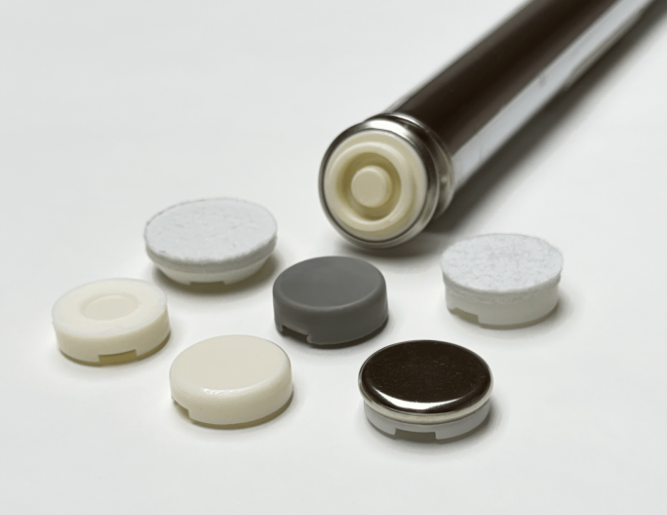
Solo Glide is a patented two-piece system protected under US Patent 8607413 and additional international patents and the “two-piece” part is what makes it interesting. The top portion locks into the furniture tubing and stays there for good; it’s backed by a lifetime guarantee. The bottom base, the part that actually touches the floor and takes all the wear, snaps in and out on its own.
That separation changes the whole equation. When the wear surface degrades, you don’t need to replace the complete assembly—you can replace the base. It sounds like a small mechanical detail, but it’s the difference between throwing out a working part and just refreshing the one piece that actually wore.
Best Solo Glide Options for Furniture Protection
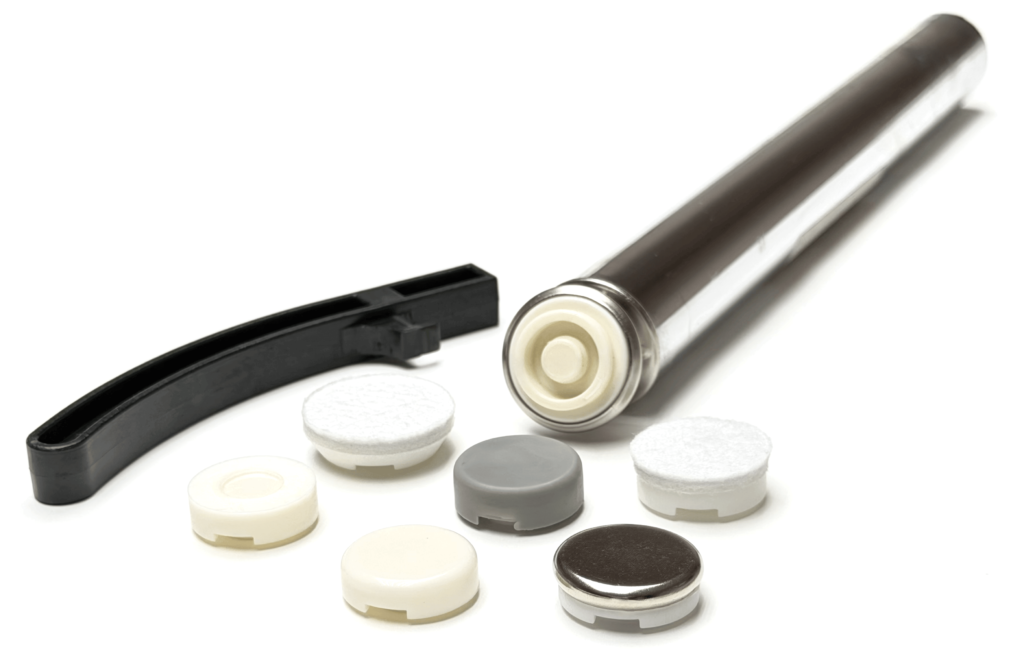
Not every floor deserves the same base, and that’s really the point. Solo Glide comes in five base materials nylon, rubber, felt, steel, and Floor Saver Glide, so the base can be chosen to match the surface underneath it, not the other way around.
- Carpeted rooms generally do best with a nylon or steel base, which glides across carpet fiber without excess drag.
- VCT tile and other finished hard surfaces call for something gentler felt or the Floor Saver Glide base, both built to reduce scuffing and surface wear.
- Rooms that see both — a classroom bordering a tiled hallway, a banquet space that opens onto a hardwood dance floor — are exactly where this system earns its keep. The furniture doesn’t need to change rooms differently; the base just needs a few seconds of attention.
Get that pairing right and the payoff isn’t cosmetic. Matching the glide base material to the flooring surface extends the floor’s service life and reduces the noise and friction that make furniture unpleasant to move in the first place. If you want the specifics on which material fits which surface, Guide for Base Selection for School Furniture Glides covers it in detail.
How to Install Solo Glide Bases in Furniture
Here’s the part that actually saves time on a Monday like the one above: installation isn’t a project. Using Carpin’s dedicated Installation/Removal Tool, a base change is designed to take seconds- no adhesive, no curing, no pulling the chair out of service. A maintenance tech can carry a small kit of bases in different materials and fix a mismatch on the spot, room by room, instead of scheduling a separate replacement order.
Fit matters just as much as speed. Solo Glide is sized for the tubing diameters most common in institutional furniture — 5/8″, 3/4″, 7/8″, 1″, 1-1/8″, and 1-1/4″ — so it seats firmly and permanently in the tube. It also swivels 32°, letting the base sit flat against the floor even when a chair leg isn’t perfectly vertical, which cuts down on the uneven wear that comes from a base rocking on one edge.
Why This Turns Maintenance Proactive Instead of Reactive
Most glide failures get caught the hard way- after the floor already shows it. A worn base grinds a groove into vinyl, or a hardened felt pad starts squealing across tile, and only then does anyone reach for a replacement. Because Solo Glide separates a lifetime-guaranteed upper glide from a swappable base, facilities teams can flip that pattern: rotate bases out on a schedule, before wear becomes visible on the floor, and only ever discard the one small part that’s actually worn. With building maintenance costs only trending upward, skipping repeat full-glide purchases adds up to a real, recurring saving- not just a one-time convenience.
Where to Buy Solo Glide Floor Protectors
Solo Glide is available directly, and you don’t have to take it on faith- free samples are available so you can test the fit and the material match against your own floors before committing to a full rollout.
It also pairs naturally with other institutional glide options Marquis School Glides, Simple Glide, Smart Glide, and Cantilever Chair Glides for facilities standardizing floor protection across different furniture types.
FAQs
5/8″, 3/4″, 7/8″, 1″, 1-1/8″, and 1-1/4″, covering most institutional and office furniture legs.
Seconds, using the Installation/Removal Tool, no adhesive, no downtime.
Yes. Matching the base to the flooring surface reduces friction and unwanted noise.
Only the bottom base needs replacing the top portion is covered by a lifetime guarantee and stays exactly where it is.
Yes, free samples are available on request through Carpin’s contact page.